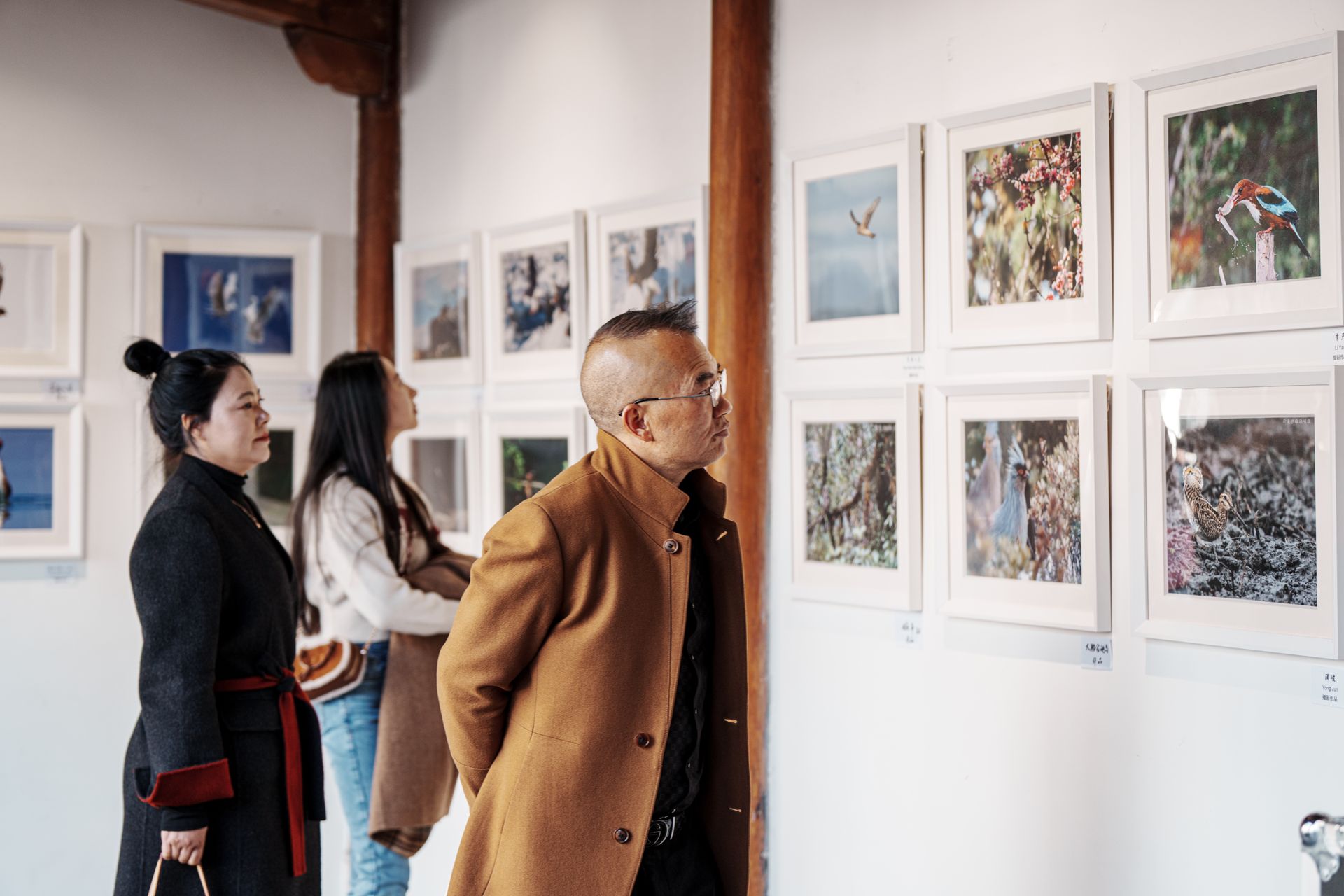
Running an art gallery isn’t quite as simple as finding talented artists, putting their work on the walls and waiting for buyers. There’s a lot happening behind the scenes. Exhibitions cost money, artists need paying, artwork needs transporting, and the rent still has to be covered, whether anything sells that month or not. This is particularly difficult for smaller galleries. They often work with emerging artists who haven’t built a strong collector base yet. Taking a chance on someone new can be great for the gallery’s reputation, but it doesn’t always make financial sense immediately. That’s where cultural patrons come into the picture. And buying artwork is only one part of what they do.
Sometimes, Artists Need Someone to Back the Work First
Preparing a major exhibition takes months of work, and production costs for materials, fabrication and transport can quickly add up. Some collectors step in before the exhibition opens. Others fund production directly, covering studio costs or materials. It’s a fairly practical arrangement. The artist gets the resources needed to complete the collection, and the gallery isn’t carrying every expense itself.
Stipends and artist residencies work differently. Instead of funding one exhibition, they give artists some financial stability over several months. That matters when creative work takes time and doesn’t necessarily produce something that can be sold immediately. Without this kind of support, galleries can end up choosing artists based on who already sells well. That leaves very little room for experimentation.
A Museum Acquisition Can Change an Artist’s Position
Getting into a museum collection is a big deal for most artists. It’s different from selling a painting to a private collector. Museum acquisitions give artwork a place in an established collection. Curators, researchers and other institutions can access it, reference it and potentially include it in future exhibitions. Patrons sometimes help make these acquisitions happen. They purchase a piece from a gallery and donate it to a museum, or contribute towards an exhibition featuring an artist whose work deserves wider recognition.
There’s a benefit for galleries here, too. When an artist receives institutional recognition, collectors often take another look at their work. It doesn’t guarantee higher prices or immediate sales, but it can make a difference to the artist’s longer-term market position. And that visibility can bring attention back to the gallery representing them.
The Bills Don’t Stop When an Exhibition Closes
This is probably the less visible side of running a gallery. An exhibition might be over in six weeks, but the gallery still has rent, salaries, insurance, storage and other overheads to deal with. Then there’s the next exhibition to prepare. Galleries also need to cover shipping, installation and marketing, while regular patron support helps them manage costs between exhibitions and slower sales periods. They can plan around something more reliable than hoping a few major collectors show up at the right time.
The market figures are interesting here. The Art Basel and UBS Global Art Market Report 2026 estimated that global art sales reached $59.6 billion in 2025, up 4% from the previous year. Dealer operating costs also increased by an average of 5%. In other words, higher sales didn’t necessarily mean galleries were making more money. Costs were climbing as well.
Some patrons also help outside the financial side. Some patrons help with practical things too, like negotiating rent, reviewing finances or sorting out a gallery’s budget.
Galleries Need Visitors, Not Just Collectors
There’s another side to this that doesn’t always get enough attention. A gallery isn’t just a place for people who can afford original artwork. Students visit. Young artists come to see exhibitions. Some people simply enjoy spending an afternoon looking at work they wouldn’t normally encounter.
Keeping those spaces accessible takes money, though. A gallery organising free student workshops still needs materials, instructors and someone to coordinate the sessions. Artist talks need planning. Exhibition catalogues need designing and printing. Even keeping admission free means someone has to cover the operating costs. This is where patrons can make a difference without getting involved in the commercial side of the gallery. For example, funding a series of weekend art workshops might not generate a single artwork sale. But it could introduce dozens of students to local artists and give them access to creative opportunities they might not otherwise have.
The same goes for publishing. A properly produced exhibition catalogue gives an artist something that remains useful long after the show comes down. Curators and collectors can refer to it, and galleries have a record of the work they’ve presented. These aren’t always the biggest expenses, but they can be difficult for independent galleries to absorb on their own.

Supporting Art Is One Part of a Bigger Financial Picture
People who collect art and support cultural institutions usually have other financial responsibilities. There may be property investments, family commitments, business interests and charitable giving to consider as well. Some choose to support cultural foundations, while others contribute towards education, medical treatment or welfare programmes. For individuals with religious charitable obligations, this can also mean considering how to pay zakat and support organisations working in areas such as healthcare. These are separate commitments, of course. Buying artwork and funding medical treatment serve different purposes. But both can be part of how individuals decide to use their wealth and contribute to society.
Access to healthcare is one area where charitable support can have a particularly direct impact. Free and subsidised treatment can help families who would otherwise delay medical care because of the cost.
It Doesn’t Always Take a Major Art Collection
Cultural patronage is often associated with wealthy collectors buying expensive paintings or funding major museum exhibitions. That’s certainly part of it, but smaller contributions matter too.
A gallery might need help paying for an exhibition catalogue. An emerging artist might need production funding. An independent space could simply need support covering its rent for another year. These contributions help keep artists working, exhibitions happening and galleries accessible to the people who visit them. And that’s really what keeps a local art scene going. Not just the big purchases, but the people willing to support the work that happens between them.